
High Brightness LCD and Commercial Kitchen Equipment from China
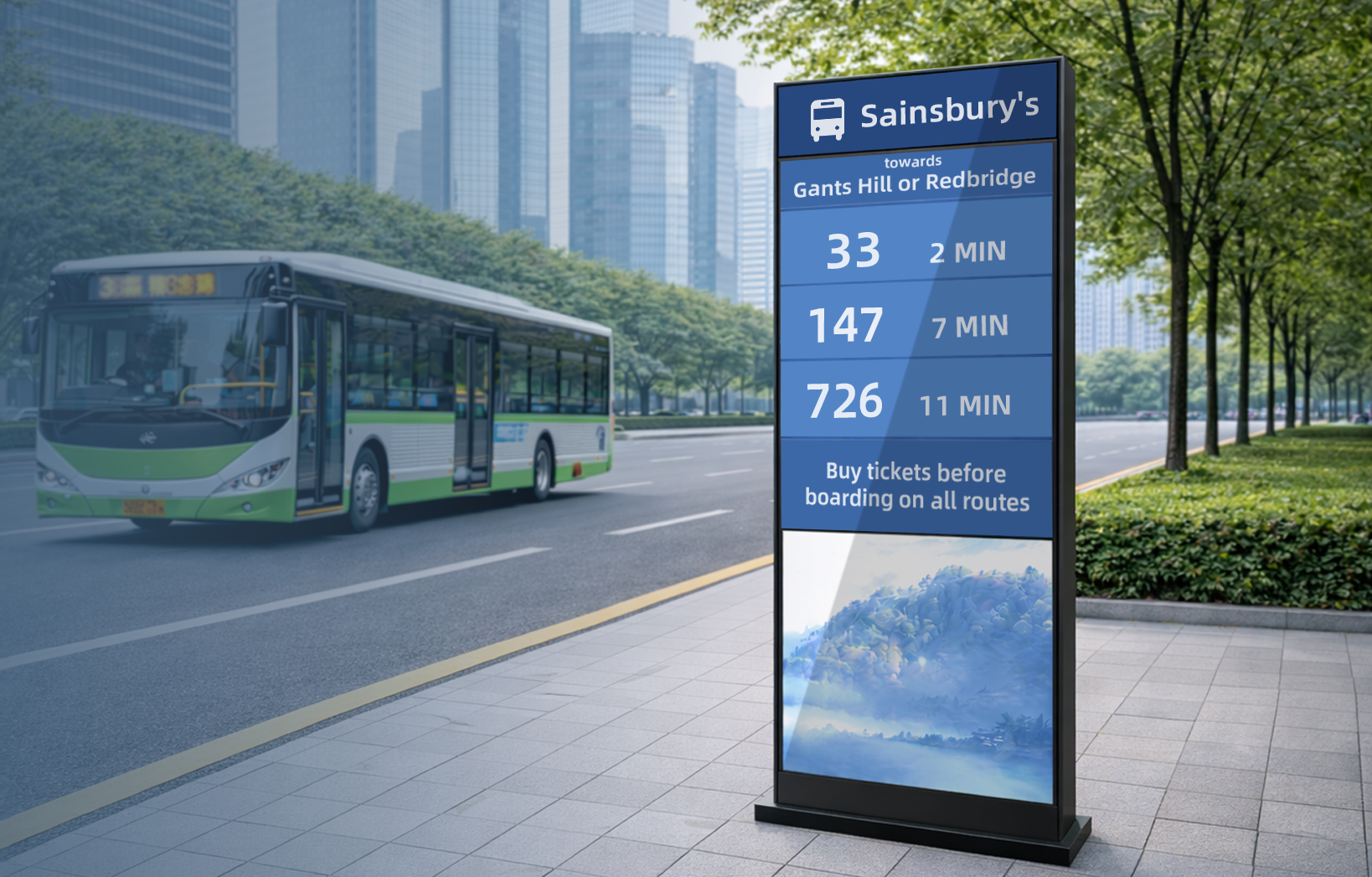
High Brightness LCD Displays
• High Brightness LCD Displays
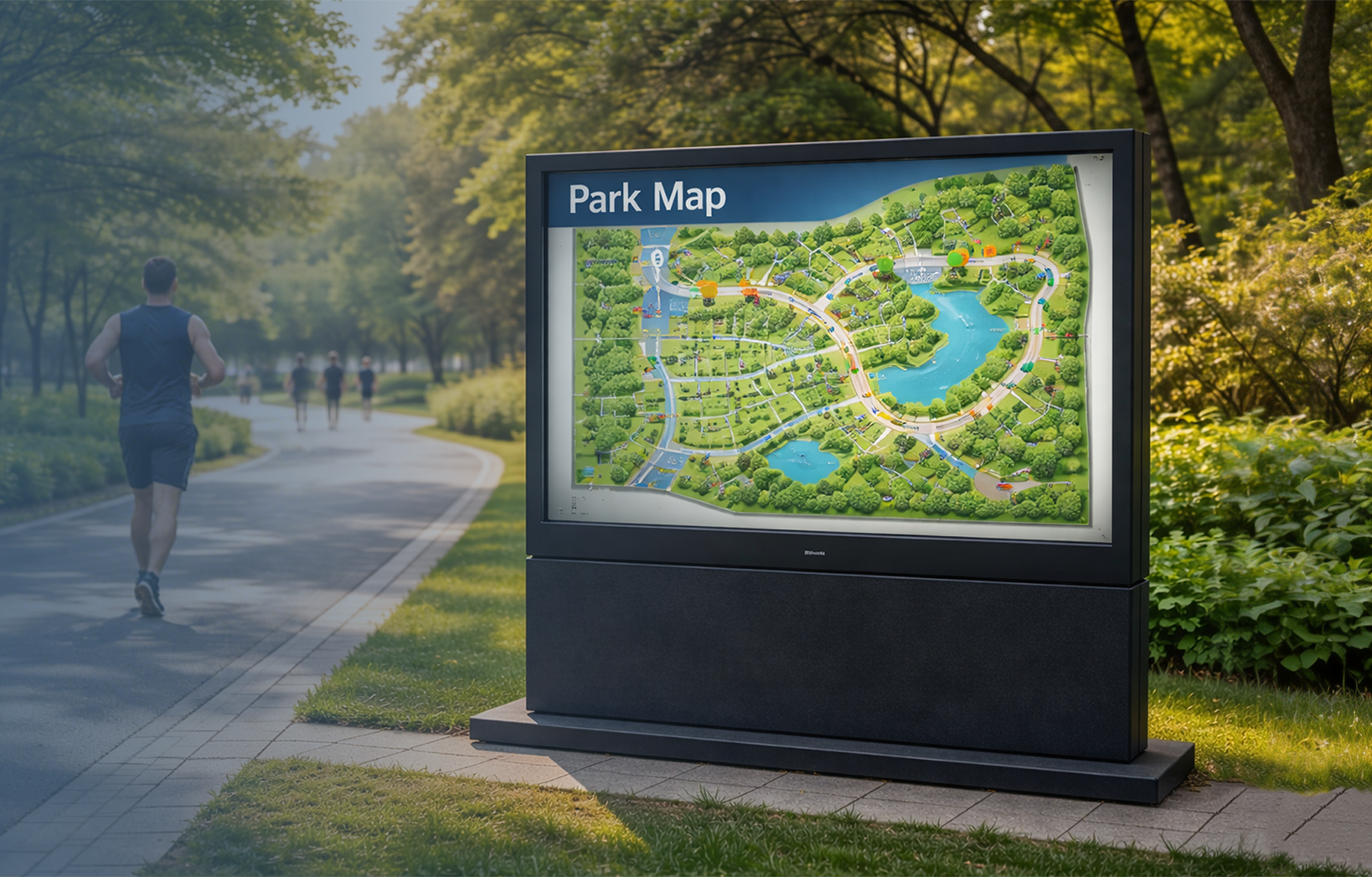
• Modular LCD Displays
• Sunlight Readable LCD
Commercial Kitchen Equipment
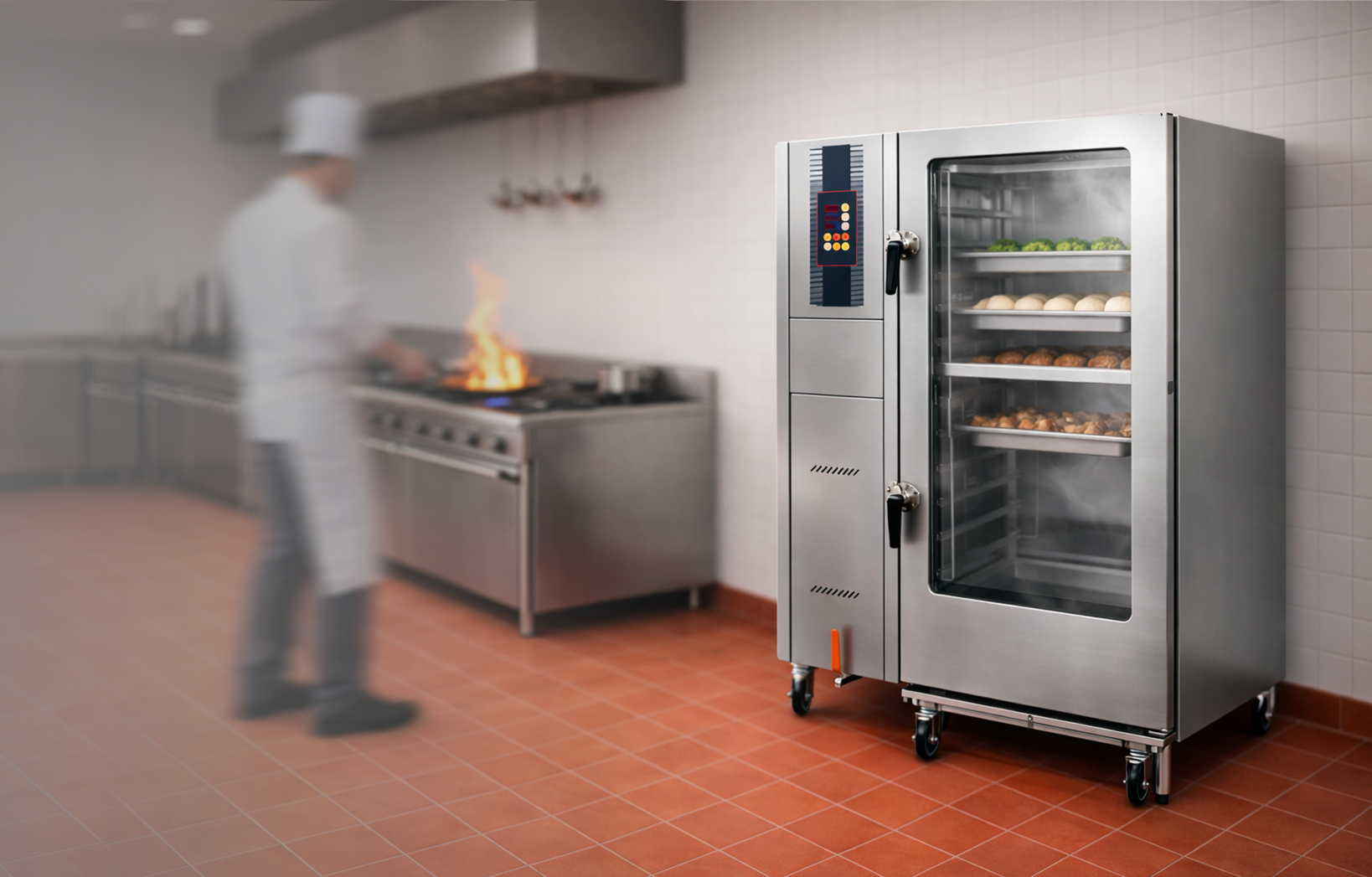
• Cooking Equipment
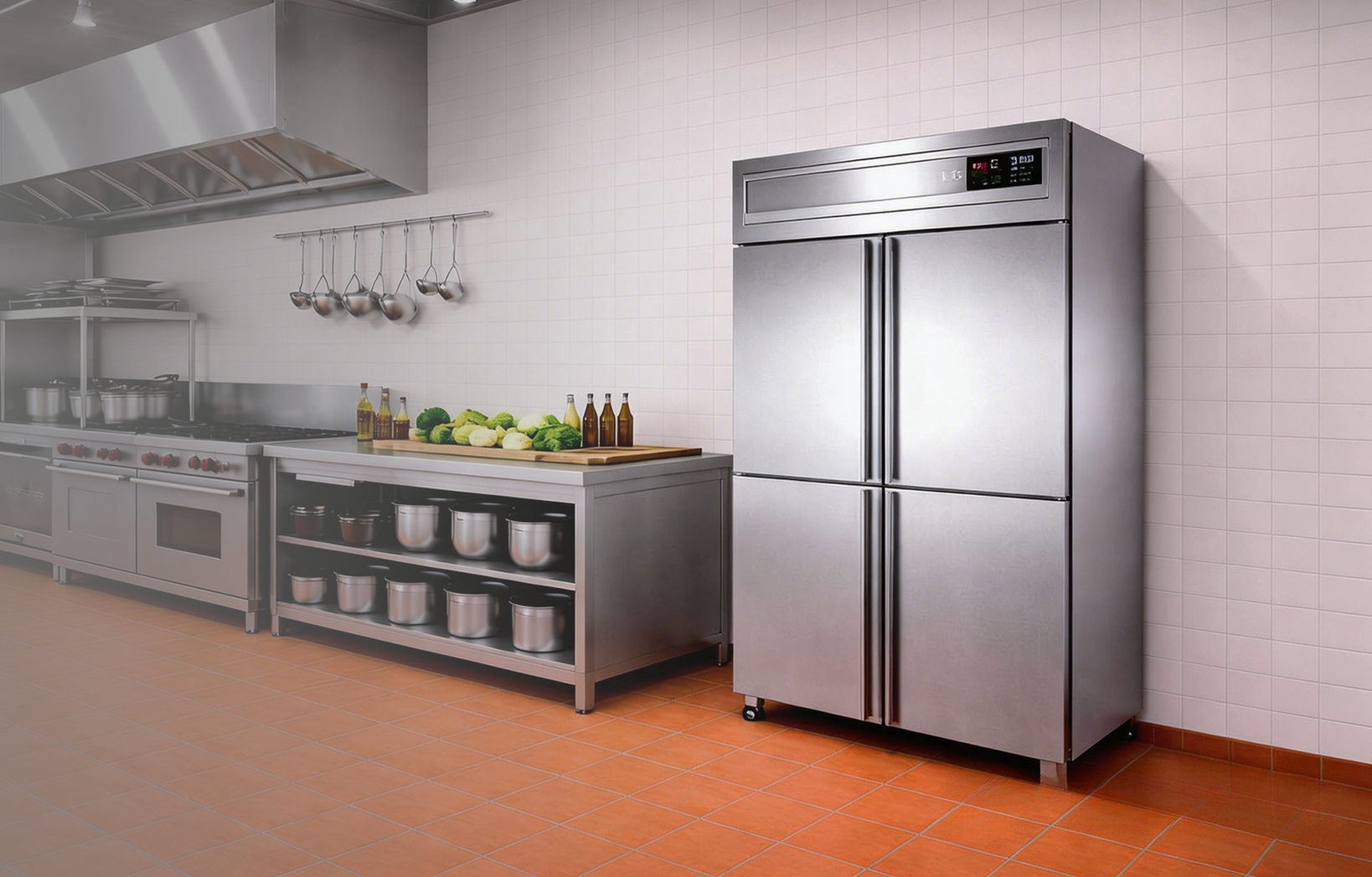
• Refrigeration Equipment
• Food Preparation Equipment
• Stainless Steel Kitchen Equipment
Representative Solutions
We focus on real client problems and on how to solve them through suitable product configuration, clear specification confirmation, and reliable execution.
We handle the supply of High-Brightness LCD devices in the following way
High Brightness LCD Solution for 🌴 Southeast Asian Clients
Client Needs
When purchasing high-brightness displays, clients in Southeast Asia usually do not simply look for the highest specification. They care more about whether the product truly fits the project, whether it is easy to install, whether it can operate reliably over time, and whether it can be implemented smoothly within budget. Many projects are used in semi-outdoor shop windows, chain stores, transport stations, commercial advertising points, or public information areas. Typical local conditions include high temperature, high humidity, frequent rain, tight schedules, and multiple installation locations. What clients are really concerned about is whether the display brightness will be insufficient, whether long-term operation will be unstable, and whether different batches will remain consistent enough for project rollout and future maintenance.
How We Solve It
We do not begin by pushing a fixed model. Instead, we first understand the client’s project scenario, installation location, viewing distance, ambient light intensity, operating hours, and budget range, and then match the right brightness level, structure, and installation method. For Southeast Asian clients, the key is not whether the specification is as high as possible, but whether performance, cost, delivery, and maintenance are properly balanced. That is why we focus on making the configuration practical rather than simply increasing specifications.
What We Did
First, we identified whether the project was for indoor high-brightness use, semi-outdoor shop windows, or applications that required higher all-day visibility, and then recommended different brightness levels and structural solutions accordingly. This helped avoid poor display performance caused by under-configuration while also preventing unnecessary budget waste caused by over-configuration.
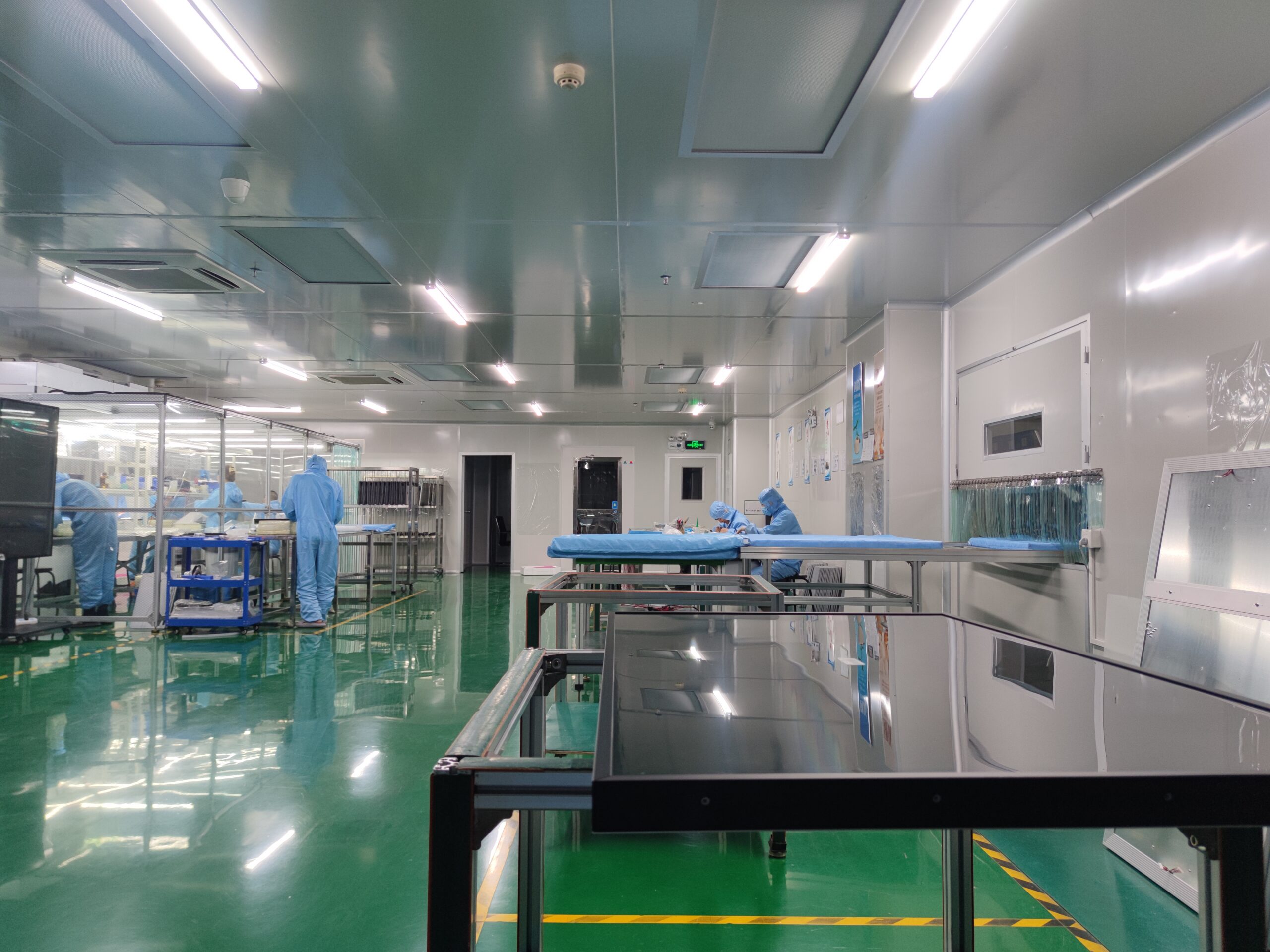
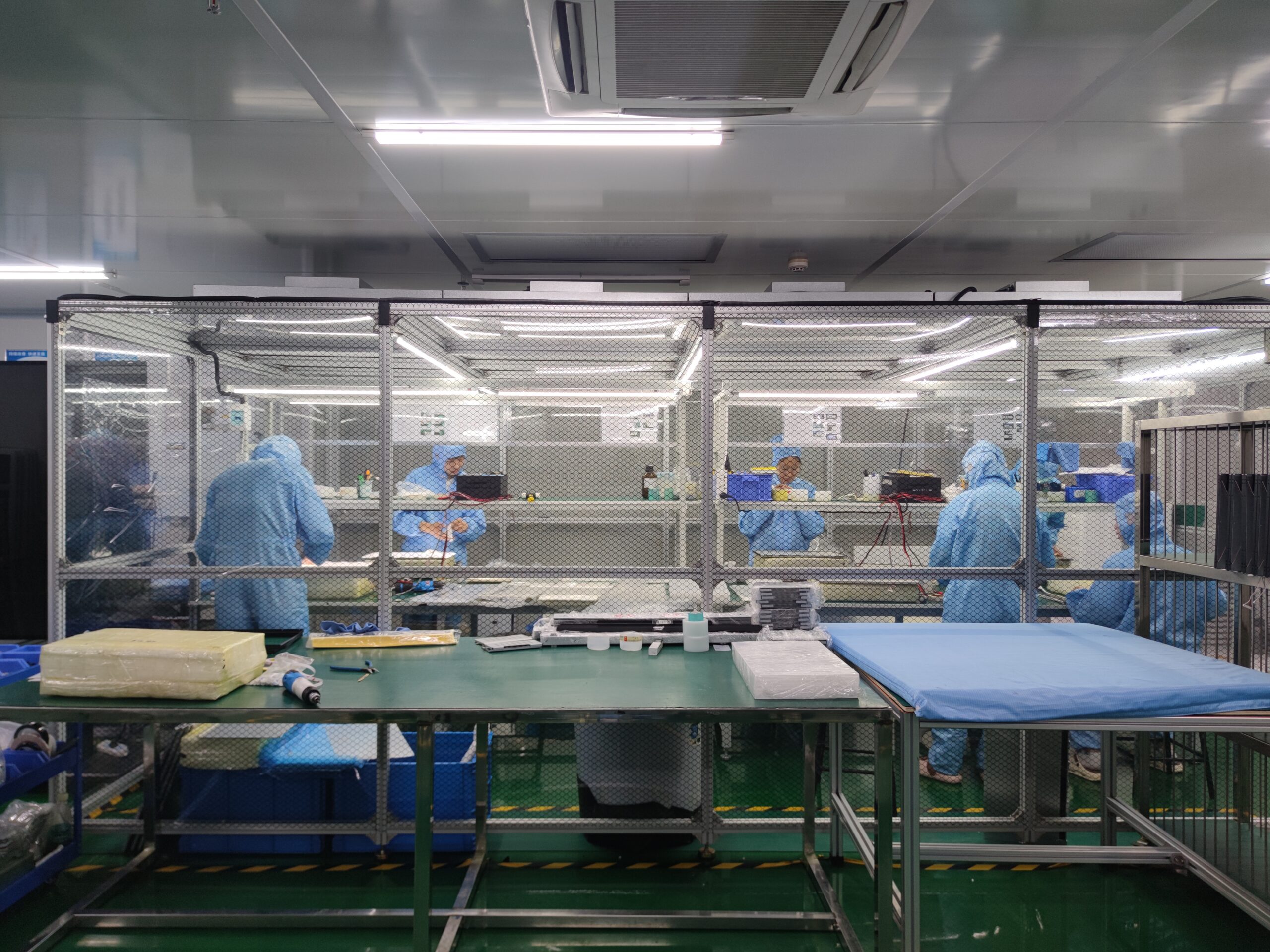
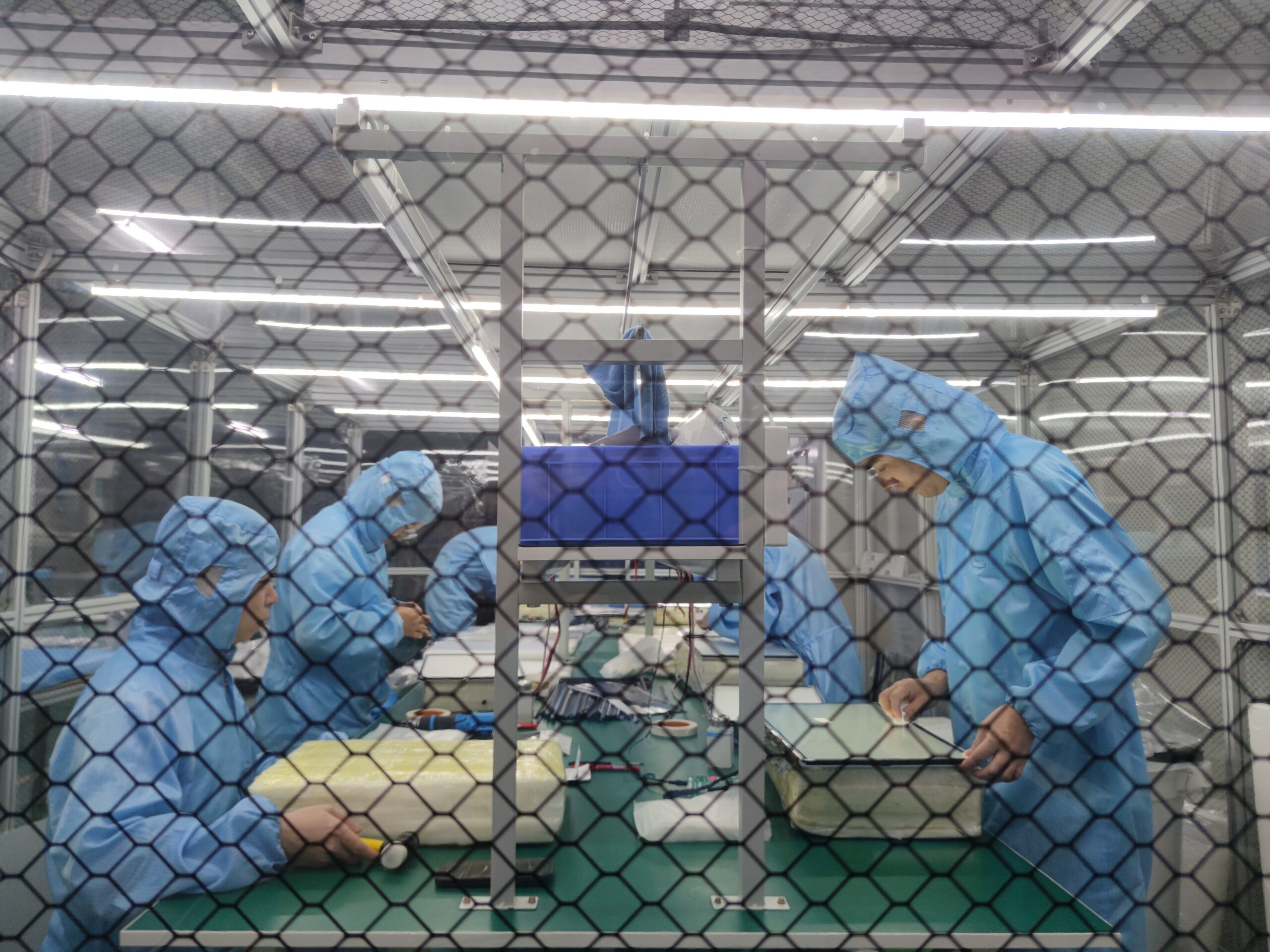
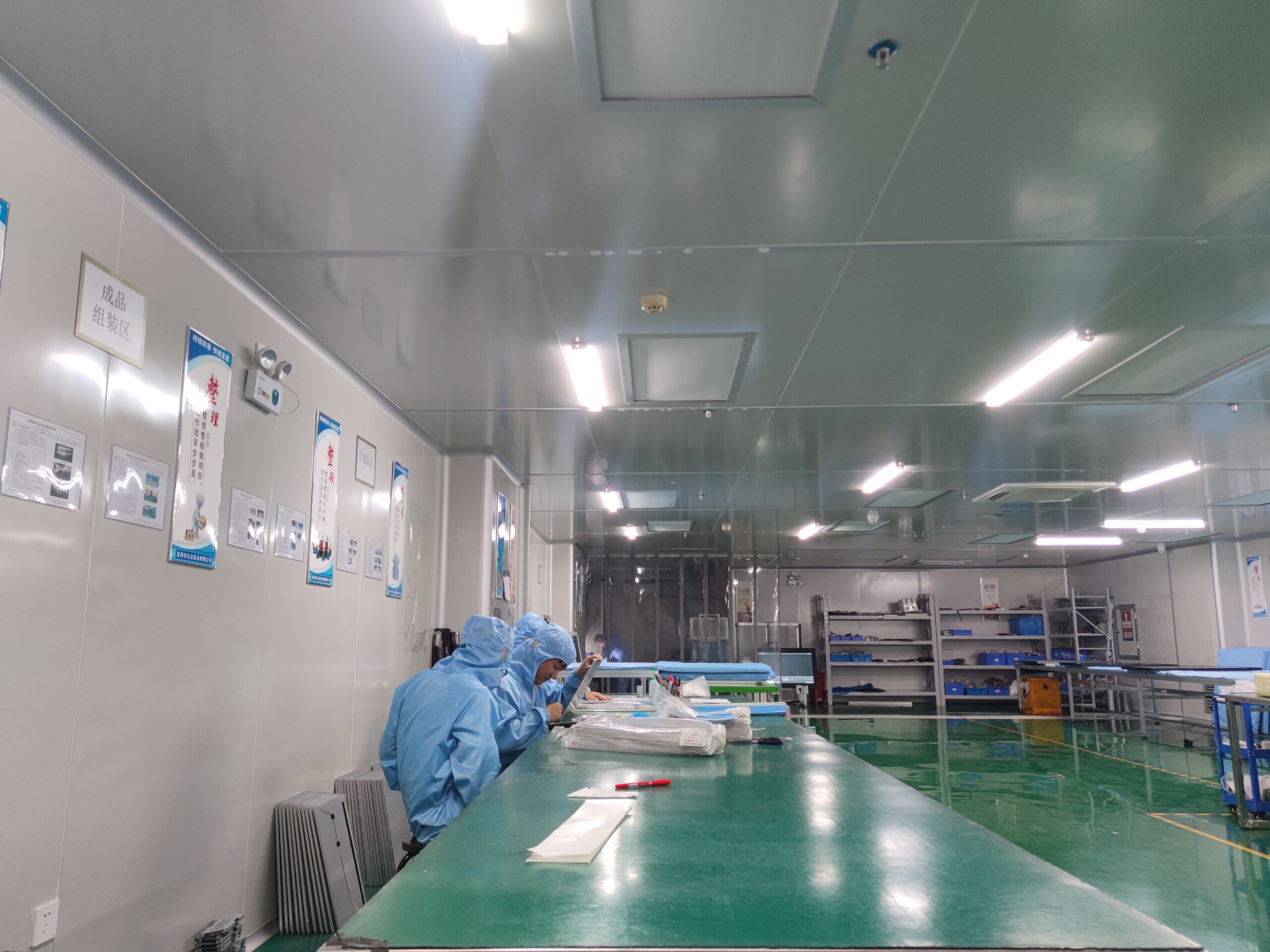
Second, based on the local hot and humid environment, we carefully reviewed thermal design, internal structural stability, power matching, and housing suitability to ensure the units would perform more reliably in long-term operation.
Third, we confirmed dimensions, interfaces, voltage, mounting method, packaging standards, and shipping labels in advance. For multi-location projects, we tried to standardize specifications as much as possible to reduce confusion during installation and maintenance.
Fourth, to improve purchasing efficiency, we organized all key parameters into a clear confirmation sheet, so the client could review every important configuration item before placing the order rather than discovering mismatches during production or installation.
Final Result
The client received not just a generic device that looked good on paper, but a high-brightness display solution that was better suited to the actual site, more aligned with budget control, and easier to deploy in batches. Installation, commissioning, and later operation all became smoother, and future repeat orders were easier to keep consistent.
Client Feedback
What clients appreciated most was our communication efficiency and the way we made configuration recommendations. They felt that we were not simply trying to sell a more expensive model, but were genuinely making decisions around the real application, helping them spend the budget where it mattered and reducing installation and maintenance risk in advance.
High Brightness LCD Solution for 🏜️ Middle Eastern Clients
Client Needs
For high-brightness display projects in the Middle East, clients usually have a very direct requirement: the equipment must remain clearly visible and operate reliably under strong sunlight, high temperature, and long daily running hours. Compared with factory size or presentation, they care much more about whether the unit will actually perform on site without problems such as overheating, brightness drop, black screens, or structural unsuitability. In outdoor advertising, transport information, commercial wayfinding, and public display projects, what they want is not a normal display, but a solution that can truly adapt to the local environment.
How We Solve It
For the Middle East market, our focus is never just on increasing specifications, but on turning specifications into real application capability. We first analyze the local environmental conditions, installation method, operating duration, and maintenance conditions, and then decide how to match brightness, thermal design, structure, protection, and power configuration. In other words, we are not simply selling a brighter screen. We are solving the problem of whether the equipment can operate reliably once it reaches the site.
What We Did
First, we identified whether the project was for semi-outdoor window use, full outdoor deployment, or high ambient-light indoor application, and then matched the brightness solution accordingly instead of mechanically recommending the same standard model for every case.
Second, we focused on thermal management, including internal heat dissipation path, structural space, key component arrangement, and long-term stability of the whole unit, so as to reduce the risk of brightness degradation, black screen issues, or shortened service life caused by high temperature.
Third, we confirmed the mounting structure, unit dimensions, electrical conditions, input interfaces, and site compatibility requirements according to the project, ensuring that the unit was not only workable in theory but also deployable on site.
Fourth, for the long-term operation concerns that clients care deeply about, we tried to make the internal stability, maintenance convenience, and pre-delivery specification confirmation more complete, so that the client could feel more confident in future use.
Final Result
The client received a high-brightness display solution better suited to the hot and high-sunlight conditions of the Middle East, with stronger on-site visibility, better stability, and lower project risk. Compared with purchasing a generic standard model, this kind of solution delivered better real-world performance and made future repeat purchasing decisions easier.
Client Feedback
What clients appreciated most was that we did not only talk about higher brightness. We were able to understand how hot and high-sunlight environments affect product stability and give more targeted recommendations from the perspective of the actual project. They found this communication style more professional and much closer to real project needs.
High Brightness LCD Solution for 🏰 European Clients
Client Needs
European clients usually place strong emphasis on specification accuracy, execution consistency, product detail, and long-term supply stability in high-brightness display projects. They do not only look at how high the brightness is. They also care about dimensions, interfaces, power parameters, structural details, appearance finishing, packaging standards, and whether future bulk orders can remain consistent. What they are really concerned about is not whether a product can be supplied at all, but whether the delivered product may deviate from the confirmed standard and cause rework, disputes, or inconsistency in future projects.
How We Solve It
For European clients, we focus strongly on two things: confirming the standard and executing it consistently. We do not begin by pushing a ready-made product with sales language. Instead, we first review the target specifications, application scenario, installation method, packaging standard, and future repeat-order expectations together with the client. We understand that European clients are not only looking for something usable. They want something controllable, repeatable, and suitable for long-term cooperation.
What We Did
First, we confirmed key parameters in greater detail at the early stage, including brightness requirement, dimensions, tolerance concerns, input and output interfaces, power conditions, appearance finishing, and packaging method, so as to reduce ambiguity as much as possible.
Second, we used clearer specification sheets, drawing confirmation, or sample logic to allow the client to judge the product standard before mass production instead of relying on verbal understanding alone.
Third, we paid more attention to consistency across different production batches and tried to keep specifications, appearance, and packaging stable within the same project, reducing risk for repeat orders or project expansion.
Fourth, throughout communication, we relied more on written and structured confirmation so that the project process remained transparent and the chance of deviation caused by misunderstanding was reduced.
Final Result
The client received a delivery process for high-brightness displays that was clearer, more controllable, and closer to the expected standard. Rework risk was reduced, internal approval became easier, and later bulk purchasing could maintain a more unified standard, which supported a stronger long-term business relationship.
Client Feedback
What clients appreciated most was the clarity of our execution logic. We did not avoid key issues with vague wording. They felt that we were helping build a stable delivery standard together rather than simply completing a one-time product transaction, which matched their expectations for long-term supply cooperation.
We handle the supply of Commercial Kitchen Equipment in the following way
Commercial Kitchen Equipment Solution for 🌴 Southeast Asian Clients
Client Needs
When purchasing commercial kitchen equipment, clients in Southeast Asia usually care more about overall practicality, purchasing efficiency, and controllable budget than about how complex a single machine may look. Many of them are working on restaurant, hotel, canteen, chain store, or central kitchen projects. Their concern is that even if all equipment is purchased, mismatched sizes, incomplete supporting products, or an inefficient workflow may still lead to installation rework, poor kitchen efficiency, and delayed business opening. What they really want is not a collection of separate machines, but a kitchen solution that can actually be put into operation.
How We Solve It
We start from the real kitchen workflow rather than from the product catalog. In other words, we do not simply recommend what sells most. We first help the client review how preparation, washing, cooking, warming, storage, and serving connect with each other, and then match the right equipment. For Southeast Asian clients, whether the equipment can be installed smoothly, cleaned easily, save space, and remain convenient in daily use is often more important than having one extra specification on paper.
What We Did
First, based on the kitchen layout or the dimensions provided by the client, we reviewed the general equipment combination and placement in order to avoid conflicts between machines or too much wasted space.
Second, we confirmed key details one by one, including dimensions, voltage, power, material, table structure, door opening direction, shelf arrangement, and water inlet and drainage method, so that common problem points could be locked down in advance.
Third, for multi-category purchasing projects, we helped organize the equipment package into a clearer procurement structure instead of leaving the client to handle dozens of separate specification issues on their own.
Fourth, because practicality and purchasing efficiency are especially important in this market, we focused on recommending solutions that fit the project better rather than simply proposing more expensive options, while still maintaining the required performance and durability.
Final Result
The client received a kitchen equipment solution that fit the kitchen space better, matched the workflow more closely, installed more smoothly, and made procurement more efficient. This reduced rework caused by incorrect specifications or poor coordination and also made later operation and maintenance easier.
Client Feedback
Clients usually appreciated our ability to understand the project as a whole rather than just quote machine by machine. They felt that we were helping them build a kitchen system that could really operate, not simply selling products, which made the purchasing process easier and the overall project more controllable.
Commercial Kitchen Equipment Solution for 🏜️ Middle Eastern Clients
Client Needs
For commercial kitchen projects in the Middle East, clients usually care less about how impressive the supplier looks and more about whether the equipment can really match the project, withstand intensive daily use, and support a complete kitchen operation. Many of these projects involve hotels, large restaurants, catering kitchens, staff dining facilities, or integrated hospitality developments. Clients are often concerned that a supplier may only offer separate standard machines without truly understanding site layout, workflow, installation conditions, and operational intensity. What they really want is a workable kitchen solution, not just a shipment of equipment.
How We Solve It
We start from the actual kitchen operation instead of from a list of products. That means we first understand the kitchen zoning, workflow sequence, intended output, and site conditions, and then match the right combination of preparation, cooking, warming, storage, and cleaning equipment. For Middle Eastern clients, the real issue is not whether a machine looks attractive in a catalog, but whether the full kitchen can work smoothly after installation and under continuous real use.
What We Did
First, we reviewed the kitchen layout and project requirements to identify which sections required higher capacity, stronger structure, easier cleaning, or more convenient maintenance access.
Second, we confirmed important details such as dimensions, working capacity, material, structural reinforcement, utility conditions, and installation compatibility, so that the equipment would match the space and the intended workflow more accurately.
Third, for products that needed adjustment, we refined size, configuration details, or material options in advance instead of leaving those decisions unresolved until production or installation.
Fourth, we organized the specification confirmation process more clearly before production, which reduced misunderstanding between quotation, manufacturing, shipment, and on-site setup.
Final Result
The client received a kitchen equipment solution built around the real project rather than a collection of unrelated standard products. Installation became smoother, workflow fit improved, and later operational pressure was reduced. The project moved forward more efficiently because fewer mismatches appeared during delivery and commissioning.
Client Feedback
Clients valued our ability to translate a project requirement into an executable equipment package. They appreciated that we focused not only on what could be supplied, but on whether the entire kitchen could function reliably after implementation.
Commercial Kitchen Equipment Solution for 🏰 European Clients
Client Needs
When purchasing commercial kitchen equipment, European clients usually focus on detail accuracy, consistency of material and workmanship, completeness of specification confirmation, and repeatable delivery capability in long-term cooperation. They do not like vague communication, and they do not accept a solution based on “close enough.” For them, the equipment must not only function, but also remain as consistent as possible with the confirmed standard in dimensions, structure, surface finishing, functional configuration, packaging, and delivery. What they worry about most is that early communication may appear smooth, but too many detail deviations may show up at delivery, causing installation problems, acceptance disputes, or inconsistency in future repeat orders.
How We Solve It
When working with European clients, we treat a commercial kitchen project as a delivery project that needs to be precisely defined, rather than as a simple product sale. We confirm key points one by one according to the client’s requirements and address dimensions, material details, structural logic, and future delivery consistency issues in advance. The purpose is not to make the process complicated, but to make the project more stable and predictable.
What We Did
First, we confirmed equipment dimensions, material grade, structural type, tabletop and backsplash details, shelf and cabinet logic, door opening method, surface finishing requirements, and packaging method in as much detail as possible.
Second, through clearer lists, diagrams, or specification descriptions, we fixed the client’s key concerns before production so that misunderstandings would not later turn into deviation.
Third, for long-term cooperation, we paid special attention to maintaining consistency across similar products in different orders, trying to keep dimension logic, appearance finishing, and packaging method aligned with the same standard.
Fourth, during quotation and confirmation, we tried to clarify all uncertain points in advance rather than waiting until after production and then explaining differences as “industry standard.”
Final Result
The client received a commercial kitchen equipment solution that was easier to confirm, more aligned with the required standard, and better suited for long-term cooperation. Communication became more efficient, delivery disputes were reduced, and later replenishment or expansion orders could maintain better consistency, naturally strengthening business trust.
Client Feedback
What clients appreciated most was our attention to detail and our execution attitude. They felt that we were not merely trying to make something workable, but trying to do it correctly according to the confirmed standard, which matched their expectations for supplier stability and professionalism.
Why Choose Us ?




Email
Company: info@hyulene.com
(Leo)-Business expert: leo@hyulene.com
(Kyle)-Equipment Expert: kyle@hyulene.com
(Mike): mike@hyulene.com
WhatsApp / Phone
(Leo)-Business Expert: +86 13148762701
(Kyle)-Equipment Expert: +86 18503003603
(Mike): +86 13724306090
 English
  العربية
  简体中文
简体中文  Français
  Bahasa Indonesia
  Русский
  Español
  Türkçe